Plan de contenu : le squelette qui rend tout possible
Sans plan c'est chaos naturel. Une semaine postes quotidiens, c'est débordant. La semaine suivante silence trois semaines. Puis Instagram t'appelle l'urgence, tu mets en ligne cinq photos en panique. L'algorithme te punit — ton reach dégringole. Ton audience oublie qui tu es. Tu te dés-abonnes toi-même. « Les réseaux ne marchent pas pour l'art. » Faux. Ils marchent avec système. Un plan n'est pas une limite à la créativité — c'est le cadre qui laisse la créativité respirer cohérente. Ça sépare ceux qui vendent de ceux qui créent magnifiquement et restent invisibles.
Cinq piliers de contenu : la structure
1. Œuvres finies — vingt à trente pour cent. C'est ta vitrine. Mais pas juste image carrée. Raconte l'histoire : pourquoi, inspiration, contexte. Détails gros plan. Pièce in situ, dans un intérieur. L'acheteur imagine ça sur son mur. Post finales : trois à quatre photos — vue générale, détail gros plan, contexte d'intérieur, peut-être finition processus.
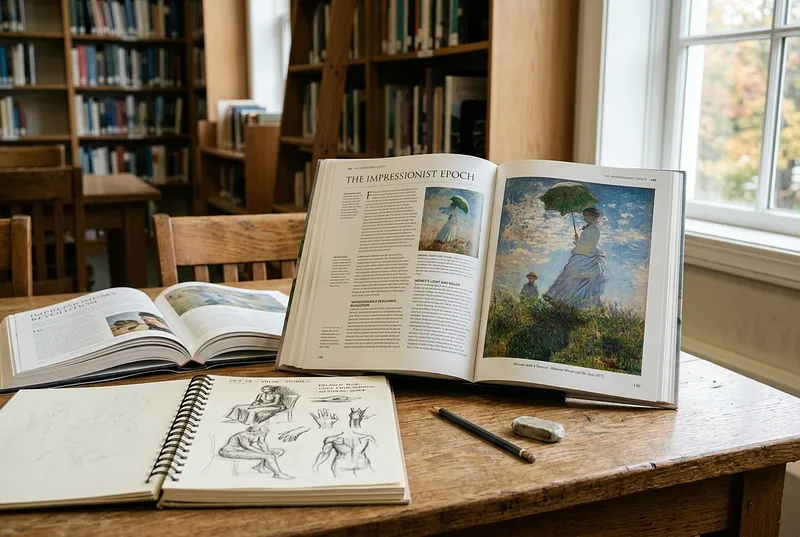
2. Processus — vingt-cinq à trente pour cent. Étapes, timelapse, work in progress, mains au travail, croquis, palettes. Les gens adorent ça. Ce qui est routine pour toi c'est magie pour eux. Vidéo backstage génère trente à quarante pour cent plus engagement qu'une photo finie. Pourquoi ? Parce que le processus humanise. Les gens veulent toi personne, pas une machine beauté. Un smartphone filme magnifiquement. Timelapse trente secondes début-fin — c'est contenu partage, millions vues.
3. Personnalité — quinze à vingt pour cent. Toi personne. Inspirations, réflexions, atelier, ce qui t'entoure. Pas de selfies-petit-déjeuner. Humaine. Quoi t'inspire ? Livres ? Expos ? Nature ? Voyages ? Les gens veulent être avec toi toi, pas ton travail. Achètent la relation, pas l'objet. Post toi personne chaque deux semaines pèse souvent plus que cinq posts travail pur. C'est la base des relations durables.
4. Éducation — dix à quinze pour cent. Comment choisir art ? Entretien proper ? Termes techniques ? Pourquoi prix différents ? Original ou reproduction ? Investir ou non ? Te positionne experte, calme peurs acheteurs. Personne qu'on a formée achète confiance. Comprend valeur. Posts technique, conseils, explications = confiance par connaissance. Beaucoup plus effectif que appels à action répétés.
5. Ventes — dix à quinze pour cent. Disponibilités, prix, conditions, témoignages. Oui, publie. Dosé. Une vente pour cinq-sept posts normaux. Mieux : « Maison trouvée Varsovie. Mon collectionneur observe comment peinture vit espace, transforme pièce ». Vente plus preuve sociale plus histoire. Gens curieux sur gens. Collectionneurs. Où vont œuvres. Comment reçues.
Comment construire un plan concret
Étape 1 : fréquence réaliste. Combien posts tu peux faire régulièrement ? Deux par semaine ? Trois ? Cinq ? Mieux deux cohérents par semaine que burst explosif puis silence. L'algorithme et audience valorisent prévisibilité. Postes mardi-jeudi ? Gens s'habituent. Ouvrent ces jours. L'algorithme voit, distribue. Hasard ? Gens skipent. Reach baisse. Fréquence moins important que cohérence.
Étape 2 : piliers par jour. Exemple : lundi processus — gens sortent week-end, cherchent divertissement vivant. Mercredi œuvre finie — jour moins populaire habituellement, donc tu mets ton travail plus fort pour sauver reach. Vendredi personnalité ou éducation — gens relaxent, plus engagement, plus ouverts à confiance. Mais cela ne vaut pas pour tout le monde. Tes analytics Instagram — onglet Insights — montrent exact jour et heure quand ton audience est plus active. Pas règle universelle. Regarde tes datas chaque mois, adapte. Si vendredi ne fonctionne pas pour toi mais mardi explose ? C'est signal. Les datas français : statistiquement, pics mardi dix-neuf heures, jeudi midi, samedi dix heures — mais c'est statistique nationale. Tes collectors à toi pourraient être différents. Les datas te guident, pas l'intuition.
Étape 3 : batching — le vrai sauveur. Une à deux fois par semaine deux à trois heures. Crée une session « contenu intensif ». Photographie plusieurs travaux en une seule séance — tu stabilises l'éclairage une fois, c'est fini. Filme cinq à sept vidéos de processus en quarante-cinq minutes (timelapse, mains gros plan, palette). Écris cinq à sept légendes cohérentes. Une session photo = contenu trois-quatre semaines. Une session écriture = textes un mois. Distribue via Meta Business Suite gratuit ou Buffer. Planifie lundi matin pour jeudi-samedi. Puis oublie. Cela sépare les artistes cohérentes — qui ont banque inépuisable — de celles qui disparaissent un mois puis explosent panique. Le batching crée stabilité. La stabilité crée algorithme love. L'algorithme love crée reach.
Étape 4 : flexibilité dans la structure. Le plan c'est orientation, pas loi religieuse. Inattendu joyeux — expo confirmée, prix reçu, série terminée — publie. Gens veulent vrais moments, pas juste calendrier figé. Mais si truc inattendu ne suit pas plan, abandonne pas. Adapte, reste cohérente. Prévu cinq posts cette semaine mais jour magique ? Renvoie reste plan. Jette pas calendrier entier pour seul jour explosif.
Étape 5 : suivi et correction mensuelle. Après un mois regarde analytics. Quels posts plus engagement ? Quels jours public plus actif ? Quels thèmes résonnent vraiment ? Adapte plan. Pas chaotiquement chaque jour. Laisse au moins un mois montrer résultats. Les datas, pas intuition. Tes datas te disent quoi faire après. Écoute-les.
Analytics : comment lire les chiffres vraiment
Reach. Nombre de gens uniques qui ont vu contenu. Reach élevé = Instagram algo te distribue fortement. Reach bas = soit contenu faible, soit timing mauvais, soit format non engageant. Post à cinq cents reach vs cinq mille ? Pas hasard — c'est signal d'algo. Compare les posts. Qu'est différent ? L'heure ? Jour ? Format (carrousel vs vidéo vs reel) ? Légende/hashtags ? Cherche patterns clairs.
Engagement : hiérarchie d'importance. Likes, commentaires, saves, shares ne sont pas égaux. Un commentaire = dix likes pour l'algo. Un save = gens reviennent plus tard (signal fort). Un share = tu recommandes à autres (très fort). Regarde structure, pas chiffre brut. Cent likes cinq commentaires = moins fort que vingt likes dix commentaires. Les commentaires montrent connexion vraie. Poste plus contenu qui génère commentaires, même si reach plus bas — c'est durable.
Conversion site. Plus important pour ventes réelles. Ton reach magnifique, mais si gens ne cliquent pas lien Artfond ou site ? Zéro revenu. Vérifie clics lien bio (Insights > Total Clicks on Your Links) et clics depuis posts. Peu de clics ? Ton call-to-action trop vague. « Lien en bio » c'est faible. Mieux : « Voir cette pièce ici, trois exemplaires restent » ou « Acheter aujourd'hui » ou « Infos commande en bio ».
Croissance followers — vraie. Nouveaux followers par semaine, par mois. Croissance organique (vraie) vs achetée (bots). Si tes followers montent mais engagement ne monte pas ? C'est bots. Contenu attire-t-il gens réels ? Stagnation ? Change contenu ou fréquence. Attention : gens ont besoin temps pour te découvrir. Minimum deux-trois mois travail consistant avant juger efficacité vraie.
Ne suis pas les likes comme métrique principale. Les likes s'achètent. Les vrais collectors et curateurs les ignorent. Focus sur commentaires — signal connexion — saves — signal durabilité — clics vers site — signal vente. Ces trois métriques sont indicateurs vrais.
Les datas pour optimiser réellement
Patterns clairs émergent après un mois datas. Le processus reçoit deux fois plus saves que œuvres finies ? Ça signifie ton audience veut voir comment tu travailles, pas juste résultats finis — info importante. Fais trente-cinq pour cent processus au lieu vingt-cinq pour cent. Les reels reçoivent dix fois plus reach que carrousels statiques ? Les gens scrollent plus sur vidéo. Investis en reels — même courts, même smartphone. Tes stories obtiennent plus engagement que posts feed ? Shift contenu plus personnel vers stories. Posts où tu fais question ouverte reçoivent record engagement ? Ajoute questions à quarante pour cent posts — vs vingt pour cent avant. Tes followers convertissent massif depuis LinkedIn mais presque pas depuis Instagram ? Double-poste sur LinkedIn, réduis fréquence Instagram.
La règle quatre-vingts-vingt fonctionne ici. Quatre-vingts pour cent tes résultats viennent vingt pour cent ton contenu. Exemple : peut-être reels toi processus c'est cette vingt pour cent — quatre-vingts pour cent saves et commentaires. Donc : double ou triple cette catégorie. Le reste — carousel statique, photo carrée, post texte long — peut réduire sans perte grande. Ton système hyper individuel. Ton audience unique — pas audience générale Instagram. Tes datas ta vérité. Écoute-les, pas tendances générales.