Finding a gallery is like finding a long-term life partner. Not every match works, even if it looks attractive at first. The right gallery accelerates your career by years. The wrong one slows it down, muddies your image, and harms your reputation. Worst is getting locked into legal relationships that become difficult or painful to exit without conflict. Before you start searching, do your homework thoroughly. Understand what types of galleries exist, what each one offers, and what each one demands. This isn't abstract theory. It's an ecosystem with clear rules and real consequences.
Five types of galleries
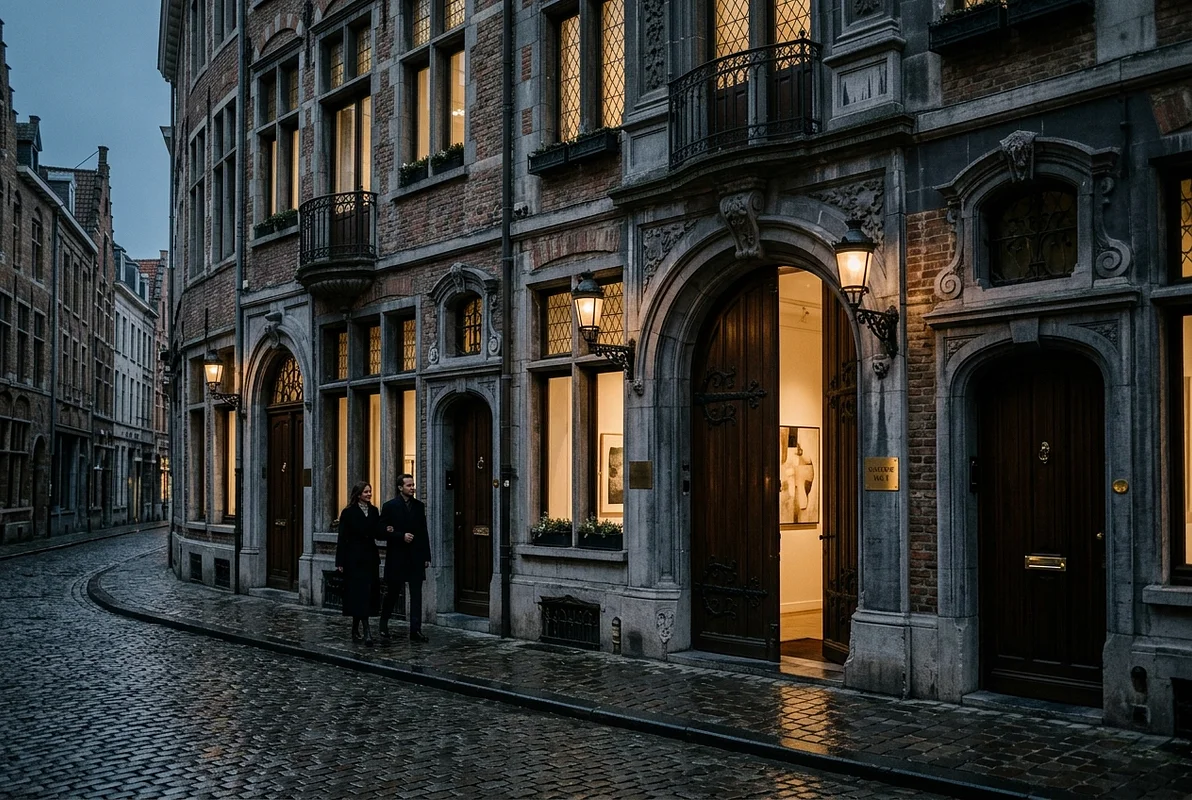
Commercial gallery is the standard model. Sells your work, takes 40–60% commission, runs a stable exhibition programme with an established collector base. This is your primary sales and market presence partner. Influential in local and often international markets, with direct connections to museums and curators. Demands consistent quality work and long-term commitment from artists.
Non-commercial gallery or arts foundation doesn't prioritise sales revenue. Instead, focuses on cultural projects, research initiatives, and socially engaged practice. Less direct income for artists, but critically important for CV and serious professional reputation. A single show in a respected non-commercial space is worth more than five sales in an unknown commercial gallery. Museums and curators notice these shows and use them as markers of credibility.
Artist-run space is created by artists themselves. Flexible. Experimental. Less traditional market impact but often most interesting conceptually. A place to take risks, do bold work, make mistakes without commercial pressure. Where interesting conversations happen and careers sometimes begin.
Online gallery is growing. Broader reach, lower overhead, accessibility without being in art centres. Less traditional status effect compared to physical space, but reaching collectors who primarily shop online.
Vanity gallery takes money from you for your show. You pay, they hang. This isn't recognition. It's a service. Avoid completely. Serious galleries earn from sales commission, not artist fees.
How to evaluate a gallery carefully
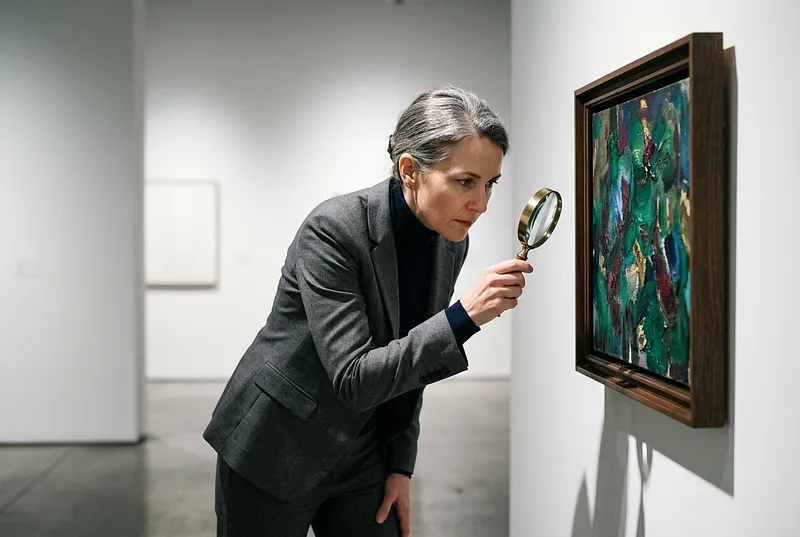
Research their programme thoroughly. Don't just visit on a Saturday afternoon. Review their website. Look at their last 10–20 shows. Trace patterns. How long do shows typically run? Who curates? Do artist names repeat or is there fresh talent? Does your practice fit their focus? Cool-toned abstract showing surrealist installations? Mismatch. Your work won't shine.
Look at their current artist roster. Who's represented? Is your level and direction evident? Stronger artists elevate you. Being the odd one out risks invisibility. A good gallery is like a good orchestra: different but equal quality throughout.
Assess their real market power. Do they have active buyers? Ask other artists who show there. Are sales happening or do works just hang until the show closes? Do they participate in major fairs? Access to museums and curators? No real collector base means it's just exhibition space, not a career partner.
Pay attention to communication. Send a simple question. How do they respond? Hours or weeks later? Polite or template response? The first interaction mirrors future collaboration. If they're inattentive now, they'll be inattentive representing you.
Red flags that should stop you
Gallery asks for payment—that's a vanity sign. No written contract or reluctance to create one—no protection in conflict. Commission over 60% with no obvious services—unfavourable. No physical space or vague about location—not a real gallery. Negative comments from other artists, especially about payment delays or zero marketing—reputation spreads fast. Artists talk. If multiple artists have had bad experiences, you likely will too.
What to negotiate before signing
When a gallery says yes, that's the beginning. Dozens of details follow—all in writing. Space and format: walls, dimensions, lighting, climate control. Dates: opening, closing, installation, access after hours. Costs: who pays production, transport, catalogue printing. Promotion: press releases, social media, invitations sent. Sales and commission: rate percentage, payment terms, how commission is calculated from final price including discounts. Insurance: who holds the work, who compensates for damage and how much. Documentation: who photographs, archives materials, who owns those materials.
Even for friendly group shows, sign an agreement. Friends can disagree. List works with dimensions, prices, identification numbers. Insurance conditions. Sales commission structure. Installation costs. Return deadline. This isn't distrust. It's professionalism protecting both sides.
The hybrid model: gallery representation plus independent sales
Most successful artists globally blend these models strategically. Your gallery handles major sales, museum contacts, and art fair participation. Your personal website or a platform like Artfond handles direct sales, small limited editions, and quick buyers who want to purchase without traditional dealer mediation. This is a control strategy. You retain control of a significant portion of your market and don't become 100% dependent on one gallery's success or goodwill.
Essential: clear written agreements. What does the gallery sell exclusively? What do you sell independently? Which works are exclusive to the gallery? Which can sell through multiple channels? Can you sell through your website works not currently in shows? If they insist on absolute exclusivity, verify they deliver sales and contacts justifying it. Or negotiate: exclusivity only on work they actively promote in their programme.
Finding a gallery is a long-term process
Finding the right gallery partner isn't a single event. It often takes five to ten years or more. Years of dedicated searching, networking, writing dozens of emails and portfolios met with silence and rejection. You need enormous patience and consistency. You need psychological resilience—the ability to see each rejection not as failure but as navigation toward the right fit. Some artists send portfolios to dozens of galleries with no response. This doesn't mean you're a bad artist. It means galleries are overwhelmed and naturally cautious about new artists. Continue anyway. Keep developing. Keep exhibiting. Keep seeking.
But when you finally find the right gallery—one that genuinely understands your practice, has active serious buyers, is creative and consistent in promotion, reliable and professional in payments—that partnership can define decades of your career. It gives you stability and freedom for creative experimentation when you're no longer constantly spreading energy on business and marketing. The right gallery isn't compromise or forced choice. It's an investment in long-term stability and access to museums, collectors, and curators. When you find it, everything changes. Suddenly you create and develop, knowing the commercial side is in reliable, professional hands. This stability is what allows you as an artist to truly flourish.