You Already Know This—You Just Don't Realise It's Valuable
Ten years of oil paint live in your hands. You understand how pigment behaves on cool grounds, why watercolour spreads one way and not another, how to prepare a panel so it lasts decades. This knowledge isn't abstract—it's intuitive, embodied, the product of thousands of hours watching materials respond to your choices. And here's what most artists miss: people will pay for this knowledge because they cannot find it anywhere else. Not in textbooks, not in YouTube tutorials, not in any course designed for the generic artist. Your specific experience is rare, and that rarity has value.
Most artists never teach masterclasses. Fear prevents them. "I'm not experienced enough." "Who would actually want to learn from me?" "I'm not comfortable teaching." But look closely at this fear—it's usually larger than the actual barrier. You don't need a twenty-year career or museum credentials. You don't need to be perfect or famous. You need only one thing: to know more than your students. Since most people signing up are beginners or curious amateurs, that's a genuinely low bar. Two or three years of serious practice already puts you ahead. They aren't paying for your credentials. They're paying for your journey, the path you've walked that they're just beginning.
A Masterclass Is More Than Income
Yes, teaching brings money. But that's not what transforms your career. What matters is what happens after. Someone arrives, learns, creates something they didn't think possible, and leaves changed. They follow your Instagram. Tell friends about the class. A month later they see your new series in their feed and think: "That's the artist I worked with." A year later—maybe—they buy a piece. This isn't marketing strategy. It's the natural evolution of human connection: acquaintance becomes familiarity, familiarity deepens into trust, and trust eventually becomes support.
Teaching also transforms you. When you explain why you choose that particular pigment, something shifts in your own understanding. Intuition becomes conscious and articulated. You move from simply being an artist to being someone who can articulate why they work the way they do, who can defend their choices, who can explain their practice to others. This clarity strengthens everything—your brand, your confidence, your ability to negotiate with galleries and collectors. People buy from those they trust, and people trust those who understand themselves. That's not marketing wisdom. That's how human psychology actually works.
Formats That Work
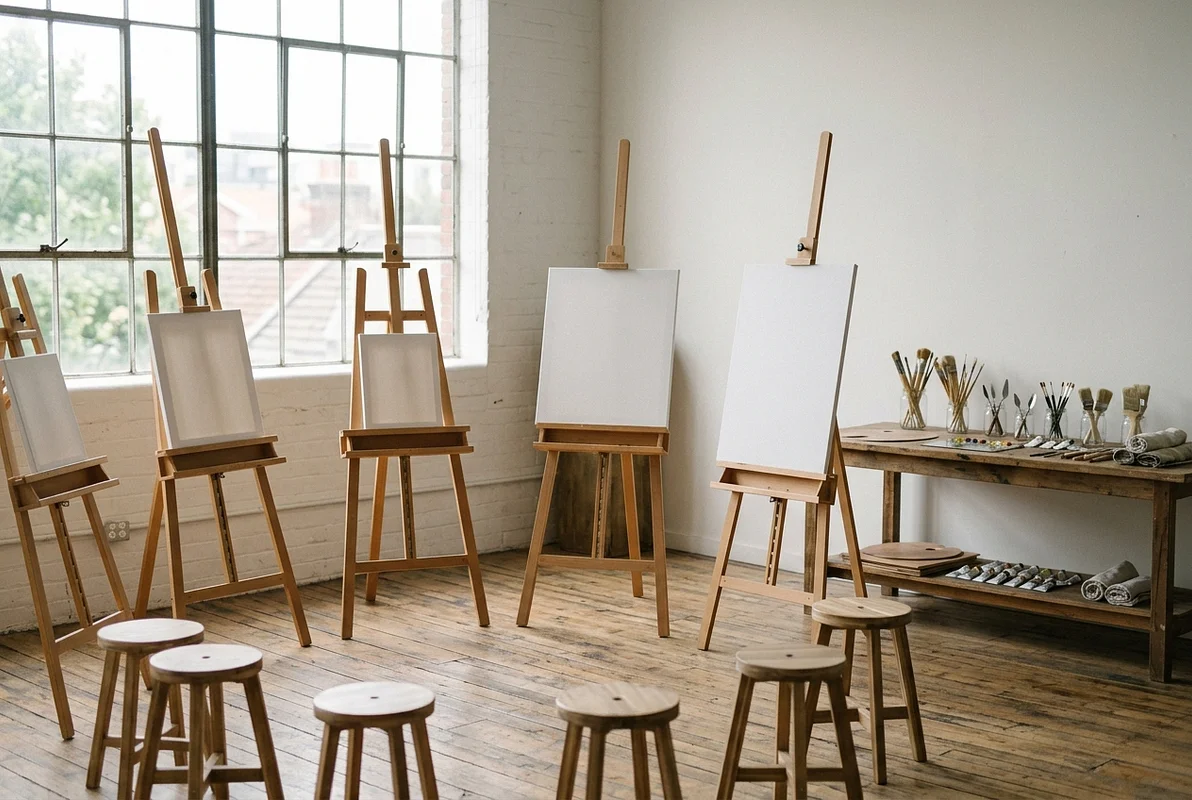
A single session—minimal preparation, maximum feedback. Two to four hours. Participants bring materials or find them in your studio, work under your guidance, leave with a finished piece. If it works well, you repeat and refine. If something falls flat, you adjust without major financial loss. Low barrier to testing means you can experiment quickly and adjust based on what you learn.
A series of sessions—higher investment, loyal audience. Four to eight classes over weeks or months. Participants who commit both time and money become invested in the outcome. They talk about it. Invite friends. There's psychology at work here: once someone commits resources to something, they've tied their reputation to its success. They actively want it to be good because they recommended it. A series demands more preparation, but it creates steady income and, more importantly, builds a core group of people who return repeatedly and become genuine advocates.
Corporate team-building—generous budgets. Companies will pay substantially more for team experiences than private students. Painting, sculpture, collage, ceramics—all work brilliantly for corporate events. Participants don't need to be talented. They need engagement and something to show for their time. Companies typically pay three to five times what private classes cost. One corporate session equals five regular classes in income. These bookings also tend to repeat annually, creating predictable income.
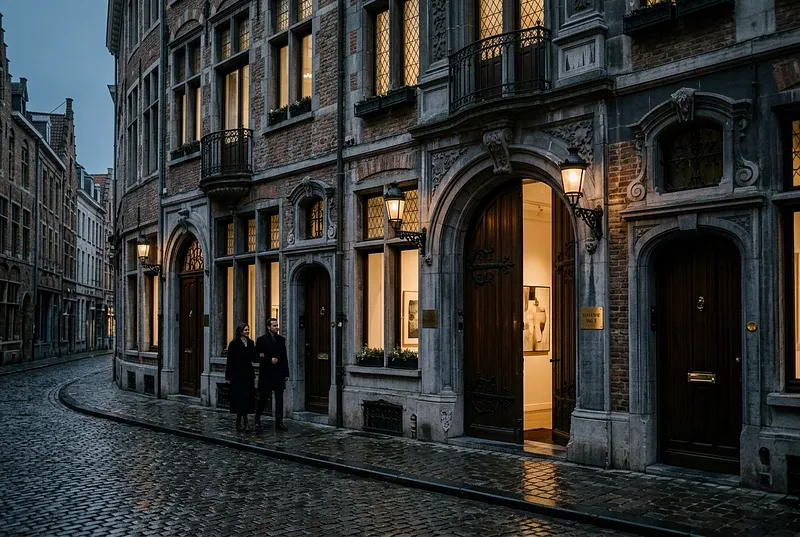
Art walks—zero materials, high margins. A curated walk through your city's galleries, street art, historic architecture, places with stories. You're not managing supplies or studio space. You're trading knowledge and time—both renewable resources. One and a half to three hours, five to eight locations, eight to fifteen people. Logistically simple. Perfect for artists without the energy for administrative work.
Children's sessions—strong margins and future collectors. Parents invest in creative experiences for their children. Yes, you adapt your teaching, but parents who book art classes are often collectors themselves—they have disposable income and they value culture. Here's what many artists miss: in ten years, that child is an adult, and those parents are still part of your world. You're not just generating income today. You're building your future audience.
How to Price Your Work
Start with a basic formula: hourly rate, multiplied by session duration, plus materials, plus venue. Then add prep time. For every hour you teach, budget one to two hours of preparation. This isn't laziness or perfectionism. Gathering materials, preparing space, rehearsing sections, creating samples—that's work, and it costs you. Most artists skip this calculation and then wonder why teaching doesn't pay. But when you include it, the numbers change. Include prep time.
In the UK, group sessions typically run from £25 to £75 per person. One-to-one instruction runs two to three times higher. Corporate events run three to five times the price of group classes. As you build experience and demand, these figures naturally increase. But starting low to attract students is backwards logic. Low prices don't attract interest—they cheapen your work. Run one session for five people at £50 each and you'll have better participants and better results than running fifteen people at £10. Fewer people means better attention, better outcomes, better testimonials. Those testimonials become your capital.
How to Start This Month
Step one: define precisely what you teach. Not "painting" in general. Be specific: "Still life in oil, three hours" or "Wet-on-wet watercolour techniques for landscapes." Specificity helps people understand exactly what they'll learn and create. It also frees you from trying to cram everything into one session. Focus wins. Narrow beats broad.
Step two: run your first session for friends. Free or for a symbolic price. Your goal isn't profit. It's information. What worked, what fell flat, how long each section actually takes? This is your training ground, a low-stakes way to discover what you'll improve before charging strangers.
Step three: gather photos and testimonials. This becomes your marketing foundation. Ask participants to describe their experience. Photograph the process and the finished work. Use these materials in the next announcement. Real images and real quotes are infinitely more powerful than anything you could write alone.
Step four: build consistency. Don't run classes randomly. A regular monthly session on the third Saturday creates anticipation. People remember. They plan ahead. They attend. Regular beats sporadic every single time.
Marketing Your Masterclass
Social proof works best. Photos of people engaged in the work, finished pieces displayed, visible results. People want to see what's possible. Short testimonials work: "Brilliant" from a participant, a WhatsApp screenshot, honest feedback. Every class is material for the next announcement.
Create genuine scarcity if it exists. "Eight spaces only." "Registration closes Friday." Specific deadlines help people commit rather than endlessly postponing.
Consistency matters most. The third Saturday every month. Regular rhythm. People remember. They plan around it. They show up.
A masterclass isn't a side project. It's an extension of your practice that builds your audience, strengthens your reputation, and creates genuine stability. People who know you personally stay most loyal. They've watched you work. Heard your thinking. That direct connection is stronger than any advertisement you could buy.