Networking — słowo, które przerażało każdego artystę
Słowo «networking» przywołuje obraz: ludzie w garniturach, wymiana wizytówek, puste rozmowy o pogodzie. To nie twój świat. Rozumiesz. Ale problem nie tkwi w samym konceptcie — problem jest w tym, jak artyści go rozumieją. Networking w świecie sztuki to zupełnie inna rzecz. To nie sprzedaż, nie manipulacja. To budowanie rzeczywistych relacji z kuratorami, galeristami, kolekcjonerami, kolegami artystami, krytykami, dziennikarzami. Ludzie, którzy ciebie znają, stanowią twoją sieć. I ta sieć przynosi wystawy, sprzedaż, rezydencje, publikacje — możliwości, o których nigdy byś nie pomyślał.
Oto rzeczywisty fakt: osiemdziesiąt procent znaczących okazji w sztuce przychodzi przez osobiste połączenia, nie przez zimne zgłoszenia online czy formularze. Praktycznie każda ważna chwila w karierze artysty zaczyna się od rozmowy. Ktoś ciebie polecił kuratorowi. Ktoś zapamiętał twoje imię na wystawie. Ktoś wspomniał o tobie na spotkaniu dyrektorów galerii. Te połączenia to nie przypadek — to wynik systematycznej pracy nad budowaniem relacji. Możesz być mistrzem techniki, ale bez sieci ludzi, którzy o tobie wiedzą, będziesz pracować w izolacji.
Gdzie znajdować ludzi z branży
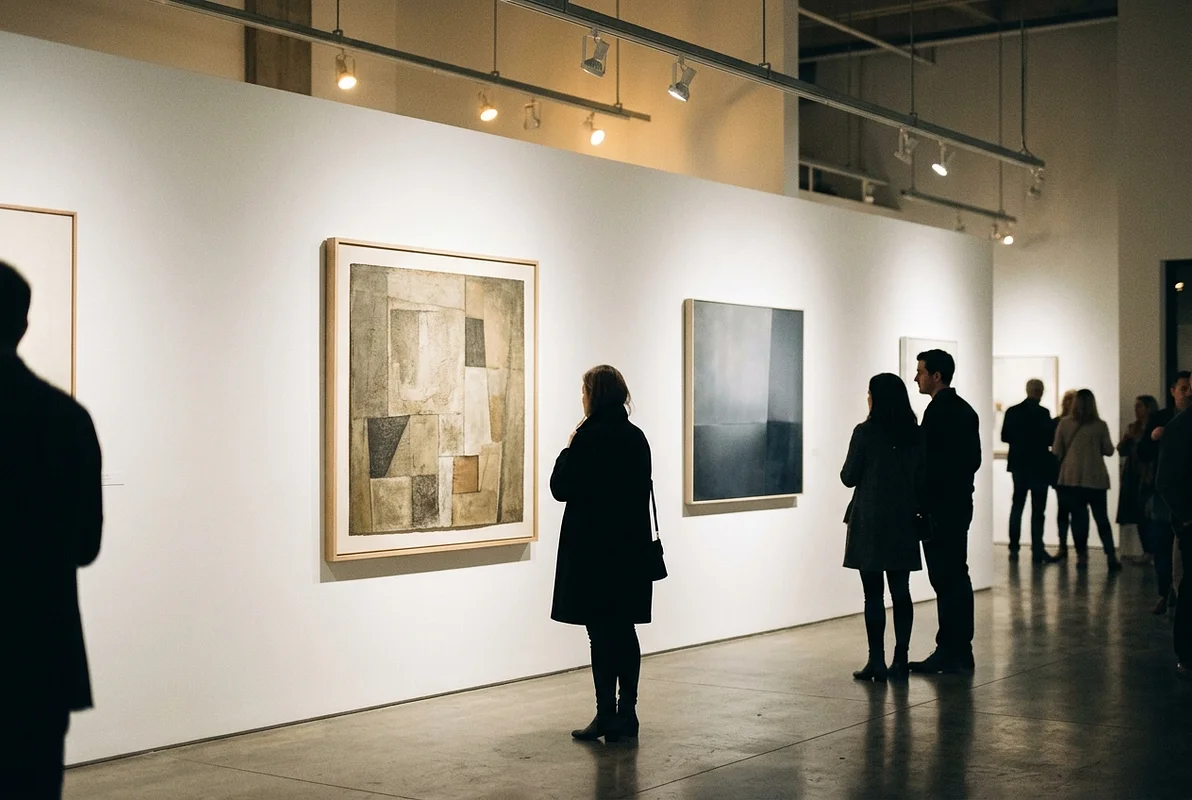
Otwarcia wystaw. To pierwsze miejsce, gdzie powinieneś być. Przychodzisz, aby zobaczyć sztukę, a kuratoryści, galeryści, kolekcjonujący, inni artyści — wszyscy są tam. Rozmowa przy pracy może owocować wystawą za rok. Nie ograniczaj się do prestiżowych otwarć w dużych galeriach. Mała galeria w Krakowie czy dzielnica artystyczna w Warszawie daje więcej przestrzeni na rzeczywistą rozmowę niż przechladzane muzeum, gdzie nikt nikogo nie słyszy. W intymnym otoczeniu rodzą się autentyczne rozmowy.
Wykłady i dyskusje artystyczne. Każde wydarzenie artystyczne z dyskusją po. Łatwiej się rozmawia, gdy macie wspólny temat — to, co właśnie usłyszeliście. Polska ma bogatą ofertę: uniwersyteckie wykłady, prelekcje w galeriach, seminaria w muzeuach.
Targi sztuki i art fair'e. Zwłaszcza dni podglądu, gdy mniej tłoku i więcej czasu na rozmowy. Spotykasz ludzi z całej Europy — galeristów, kolekcjonerów, kuratorów. To koncentracja kontaktów, którą trudno znaleźć gdzie indziej. To też doskonała okazja do obserwacji, co się dzieje na rynku.
Rezydencje artystyczne. Najtętniana forma nawiązywania kontaktów. Tygodnie lub miesiące z innymi artystami, kuratorami i branżowcami. Relacje zbudowane na rezydencji są zwykle najsilniejsze — opierają się na wspólnym doświadczeniu, a nie tylko na jednorazowym poznaniu. Gdy żyjesz razem, pracujesz, jesz, słuchasz jak myślą ludzie, widzisz ich jako rzeczywiste osoby. Ten głęboki kontakt tworzy zaufanie, którego jedna rozmowa na otwarciu nigdy nie da. W Polsce dostępnych jest wiele rezydencji — zarówno bezpłatnych, jak i płatnych. To inwestycja czasu, ale zwrot uzasadnia każdy dzień.
Instagram — ale inaczej. Nie promuj się. Komentuj prace kolegów z merytorycznością, nie jedynie formalnościami. Nie «pięknie» czy «super», ale «ta seria mnie przypomina Gerharda Richtera, szczególnie sposób, w jaki pracujesz z rozmyciami». Merytoryczny komentarz to rzadkość na Instagramie — przyciąga uwagę. Artysta przeczyta, pomyśli, często odpowie. To początek autentycznej rozmowy bez pretensji. Udostępniaj wystawy, które ciebie zachwycają. Oznaczaj ludzi, których chcesz poznać. Instagram to nie tylko galeria twoich prac — to przestrzeń, gdzie zaczynają się rzeczywiste relacje.
Jeśli jesteś introwertem — dobrze się masz
Większość artystów to introwerci. Ludzie, którzy czują się swobodnie w samotności studia, czują dyskomfort w tłumie. To wspólny język. Właśnie dlatego artyści tak dobrze się rozumieją na tych spotkaniach.
Nie musisz być ekstrawertem. Nie musisz «pracować» pokój. Potrzebujesz jednej umiejętności: postawić dobre pytanie i naprawdę słuchać. «Co ciebie tutaj przywiodło?» albo «Jak ci się podoba ta seria?» — to wystarczy. Reszta rozwijają się sama, gdy naprawdę słuchasz. Większość ludzi tęskni za kimś, kto ich wysłucha.
Nie próbuj poznać wszystkich. Jeden do dwóch głębokich kontaktów na wieczór to doskonały rezultat. Jakość zawsze bije ilość. Piętnaście minut rzeczywistej rozmowy z jedną osobą o czymś, co was obie porusza, jest warte więcej niż pięć minut powierzchownych pozdrowień z dziesięcioma ludźmi.
I nie próbuj się «sprzedawać» przy pierwszym spotkaniu. Nie rozpoczynaj od «jestem artystą, oto mój Instagram». Bądź najpierw człowiekiem, potem artystą. Gdy osoba ciebie już zna, naturalna ciekawość kieruje ją ku twojej pracy. To zasadnicza różnica — ludzie chcą wspierać osoby, które znają, a nie marki.
Follow-up — co wszyscy zaniedbują
Dziewięćdziesiąt procent ludzi nigdy nie robi follow-upu. Ci, którzy robią, są pamiętani. To nie jest trudne, nie zajmuje dużo czasu, ale właśnie follow-up zamienia przypadkowe spotkanie w trwałą relację.
Poznałeś ciekawą osobę — napisz w ciągu tygodnia, nie za miesiąc. Dopóki pamięć jest świeża. Prosta wiadomość: «Było dla mnie miłe poznać ciebie na otwarciu w galerii X. Twoja seria o [temacie] mnie zachwycała, szczególnie [konkret]». To nie jest natarczywość. To grzeczność i profesjonalizm. Pięć minut pracy, ale dla drugiej osoby to sygnał, że jesteś poważny.
Jeśli obiecałeś coś wysłać — zrób to następnego dnia, nie za tydzień. Niezawodność w małych rzeczach buduje reputację niezawodnej osoby. A takie osoby są rzadkością w sztuce. Galeryści i kuratoryści zapamiętują artystów, którzy odpowiadają szybko i dotrzymują obietnic.
Przechowuj kontakty: imię, gdzie i kiedy się poznaliśmy, o czym rozmawialiśmy. Utrzymuj kontakt bez wymuszania. Zobaczyłeś ciekawą wystawę — wyślij link znajomemu kuratorowi z komentarzem. Przeczytałeś artykuł, który może go zainteresować — podziel się. Małe gesty utrzymują relacje żywe bez formalnego «networkingu».
Komunita artystyczna to twój kapitał
Inni artyści to nie konkurenci. To tylko konkurenci, jeśli widzisz rynek jako grę o zerowej sumie. Ale sztuka tak nie funkcjonuje. Kolekcjoner, który kupił od kolegi, nie przestaje być twoim potencjalnym kupcem. Staje się bardziej aktywnym uczestnikiem rynku i bardziej wiarygodnym źródłem rekomendacji.
Inni artyści to wspólnota. Kolega poleci ciebie kuratorowi. Zaprosi ciebie do wspólnej wystawy. Powie ci o grancie lub rezydencji, o której nie wiesz. Albo po prostu ciebie podtrzyma, gdy wszystko wydaje się bezcelowe. To warte znacznie więcej niż pieniądze.
Buduj wspólnotę konsekwentnie, nie tylko wtedy, gdy czegoś potrzebujesz — zawsze. Dziel się możliwościami, które słyszysz. Wspieraj kolegów publicznie. Idź na ich otwarcia. Zostaw merytoryczne komentarze. Rekomenduj ich do projektów, nawet gdy chciałbyś sam uczestniczyć. Sieć pracuje dla ciebie, gdy ty pracujesz dla niej. To nie altruizm — to system, który wspiera wszystkich zaangażowanych.
Praktyczne działania tego miesiąca
Networking brzmi abstrakcyjnie, więc oto konkretny plan. Tego miesiąca: uczestnicza w jednym otwarciu wystawy i rozmawiaj z jedną nową osobą. Napisz follow-up w ciągu tygodnia. Zostaw trzy merytoryczne komentarze pod pracami kolegów. Wyślij jednemu znajomemu link do ciekawej dla niego wystawy czy open call'u, z wyjaśnieniem, dlaczego myślisz, że go zainteresuje.
To zajmuje trzy do czterech godzin miesięcznie. Mniej niż jeden wieczór przed telewizorem. Ale jeśli robisz to konsekwentnie — za rok będziesz mieć sieć kilkunastu do dwudziestu osób, które ciebie znają i cenią. Za dwa lata ta sieć zaczyna pracować dla ciebie, przynosząc możliwości, o których nigdy nie marzyłeś. Kuratoryści ciebie zapamiętają. Galeryści będą wiedzieć, kim jesteś. Artyści będą ciebie polecać.
Networking to nie wymiana wizytówek. To budowanie autentycznych relacji opartych na szczerości, niezawodności i wzajemnym szacunku. Najlepszy czas na rozpoczęcie to następne otwarcie wystawy, które zobaczysz.